If your AC is running but not cooling your home, the problem could be something simple like a dirty air filter or thermostat issue, or something more serious such as a refrigerant leak, frozen evaporator coil, or failing compressor. While some troubleshooting steps can be handled by homeowners, certain issues require professional HVAC service to prevent further damage and restore comfort quickly.
When temperatures start climbing across South Georgia, few things are more frustrating than hearing your air conditioner running nonstop while your home continues to feel warm and uncomfortable.
One of the most common service calls we receive is from homeowners asking:
“Why is my AC running but not cooling?”
The answer can vary depending on your system, but there are several common causes that could be preventing your air conditioner from doing its job properly. Understanding what may be happening can help you determine whether it’s a simple fix or time to call a professional.
Is Your Thermostat Set Correctly?
Before assuming something is wrong with your HVAC system, start with the thermostat.
It may sound obvious, but we often find that thermostats have accidentally been switched to:
- Heat mode instead of cool mode
- Fan-only mode
- An incorrect temperature setting
Make sure your thermostat is set to “Cool” and that the temperature is lower than your home’s current indoor temperature.
If you have a smart thermostat, check that schedules and programming settings haven’t been changed unexpectedly.
Could a Dirty Air Filter Be Restricting Airflow?
A clogged air filter is one of the most common reasons an AC system struggles to cool properly.
When the filter becomes packed with dust, pet hair, and debris, airflow is restricted throughout the system. This can cause:
- Reduced cooling performance
- Higher energy bills
- Frozen evaporator coils
- Increased wear on HVAC components
We recommend checking your air filter monthly during peak cooling season and replacing it as needed.
Is the Outdoor Unit Dirty?
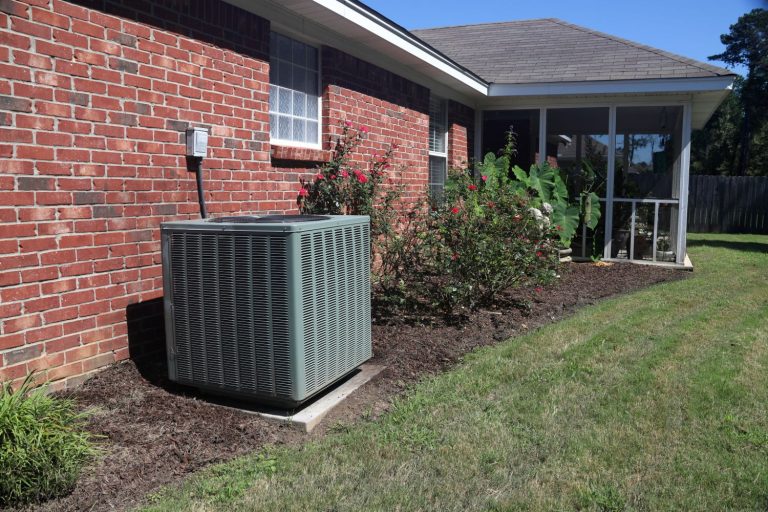
Your outdoor condenser unit plays a critical role in removing heat from your home.
Over time, grass clippings, dirt, leaves, and debris can build up around the unit and restrict airflow.
Signs of a dirty condenser include:
- Reduced cooling
- Longer run times
- Higher utility bills
- Warm air from vents
If the area around your condenser is cluttered, carefully remove debris and maintain at least two feet of clearance around the unit.
Could Your Evaporator Coil Be Frozen?
A frozen evaporator coil can prevent your air conditioner from cooling effectively.
Common causes include:
- Dirty air filters
- Blocked vents
- Low refrigerant levels
- Airflow restrictions
If you notice ice on refrigerant lines or around the indoor unit, turn the system off and allow it to thaw. Running the system while frozen can cause additional damage.
Because frozen coils often indicate a larger problem, professional diagnosis is usually recommended.
Are You Low on Refrigerants?
Your air conditioner relies on refrigerant to absorb and transfer heat.
Unlike fuel, refrigerants should not be “used up” over time. If levels are low, there is typically a leak somewhere in the system.
Common signs include:
- AC running constantly
- Warm air from vents
- Frozen coils
- Hissing or bubbling sounds
- Poor cooling performance
Refrigerant leaks require professional repair and should never be ignored.
Could There Be an Electrical Problem?
Modern HVAC systems depend on several electrical components to operate properly.
Issues with capacitors, contactors, relays, or wiring can cause parts of the system to malfunction.
For example:
- The indoor blower may run while the outdoor unit does not.
- The outdoor unit may run while airflow inside is weak.
- The system may cycle improperly.
Electrical repairs should always be handled by a qualified HVAC technician.
Is Your AC System Simply Struggling to Keep Up?
South Georgia summers can be brutal. During periods of extreme heat, even healthy systems may run longer than usual.
However, if your home never reaches the thermostat setting, the issue may be:
- An aging HVAC system
- Poor insulation
- Air leaks around doors and windows
- Undersized equipment
- Lack of maintenance
A professional inspection can help identify whether your system is operating efficiently or if improvements are needed.
When Should You Call an HVAC Professional?
If you’ve checked the thermostat, replaced the filter, and ensured vents are open, but your AC is still running without cooling properly, it’s time for a professional evaluation.
Prompt service can help prevent:
- Compressor damage
- Increased repair costs
- Higher utility bills
- Complete system failure
The sooner problems are identified, the easier and more affordable they often are to repair.
Keep Your Home Comfortable This Summer
An AC running but not cooling is never something you want to ignore, especially during a South Georgia summer. While some issues are simple, others require expert diagnosis and repair to prevent bigger problems down the road.
At Indoor Climate Experts, we help homeowners throughout South Georgia quickly identify cooling issues and restore comfort as efficiently as possible. Whether it’s a minor repair, refrigerant issue, airflow problem, or a system that’s showing its age, our team is here to help.
Need help with an AC that’s not cooling? Contact Indoor Climate Experts today to schedule service and get your home comfortable again.
Frequently Asked Questions
Why is my AC running but blowing warm air?
Warm air can be caused by thermostat issues, dirty air filters, frozen coils, refrigerant leaks, electrical problems, or a malfunctioning outdoor unit.
Can a dirty air filter cause my AC to stop cooling?
Yes. Restricted airflow from a clogged filter can significantly reduce cooling performance and may even cause evaporator coils to freeze.
Should I turn my AC off if it’s frozen?
Yes. Turn the system off and allow it to thaw completely. Continuing to run a frozen system can cause additional damage.
How often should I replace my AC filter?
Most homeowners should check filters monthly and replace them every 1–3 months depending on usage, pets, and indoor air quality conditions.
When should I call an HVAC technician?
If basic troubleshooting doesn’t solve the issue, or if you notice frozen coils, refrigerant leaks, unusual noises, or persistent warm air, it’s best to schedule professional service.